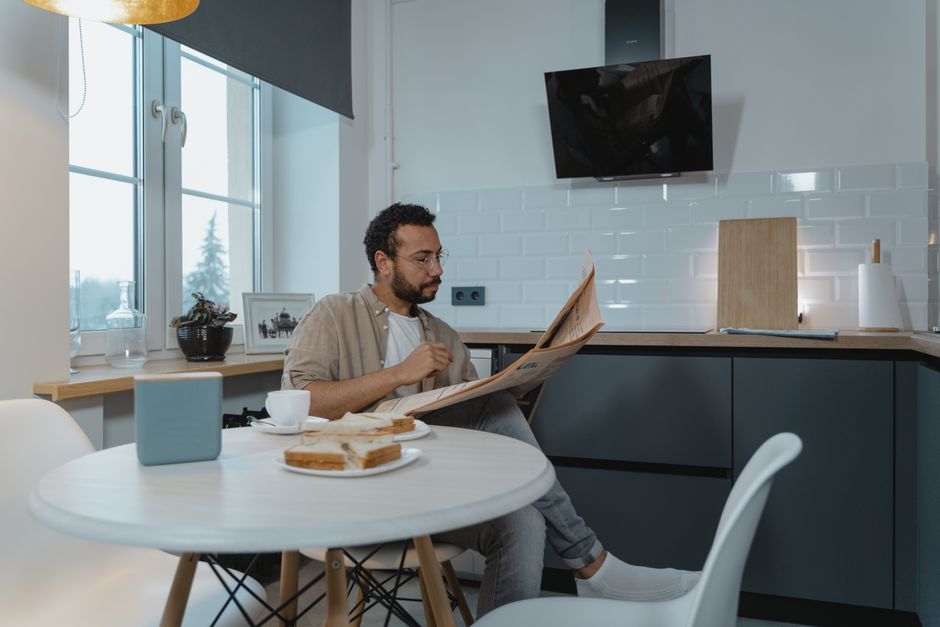
It’s 7:30 AM on a Wednesday, and the kitchen counter is cluttered with reminders of yesterday’s chaos. The planner remains closed on the table, untouched since the night before. As I shuffle through the morning routine, I can feel the weight of unfinished tasks pressing down. A phone notification buzzes, momentarily pulling my attention away from packing my bag. I glance at the screen and feel a familiar tug of distraction, which threatens to derail my already fragile focus.
With the coffee brewing, I realize I’ve skipped a crucial step: checking my planner before diving into the day. This small adjustment could set the tone for my self-discipline. Instead, I’m left scrambling, unsure of what I need to accomplish. The sequence of my actions feels off, and I wonder how a simple shift in the order of my morning tasks might help me regain control. If I could just open that planner first, perhaps I could anchor my intentions for the day and avoid the pitfalls of a late-start weekday morning.
The Morning Routine Already in Motion
The kitchen counter is a chaotic mix of half-eaten toast, coffee mugs, and my bag, which I still haven’t packed. As I glance around, I can see the planner lying closed on the table, a silent reminder of the structure I’m missing. It’s an ordinary weekday morning, and the clock is ticking closer to when I need to leave. I can hear the coffee pot gurgling, but the scent of brewing coffee is overshadowed by the anxiety of my scattered thoughts.
Every minute feels crucial, yet I find myself caught in a loop of distractions. A phone notification buzzes, pulling my attention away from the task at hand. I pick up the phone, but as I scroll through the messages, I realize I’ve lost precious time. I need to check my planner first, but instead, I’m drawn into a digital rabbit hole. The planner remains closed, and with it, my direction for the day fades further away.
To regain some control, I decide to make a small adjustment. I take a deep breath and set my phone down, forcing myself to walk over to the table. I open the planner and flip through the pages, noting the tasks I had jotted down the night before. This simple act grounds me, reminding me of what’s important. As I scan the list, I can feel a flicker of motivation returning. I quickly jot down a few reminders on a sticky note and stick it to my bag. Now, at least I have a tangible anchor to carry with me, even if the morning still feels a bit chaotic.
Where the Routine Begins to Slip
The kitchen counter is cluttered with the remnants of yesterday’s breakfast, and the faint glow of my phone screen catches my eye. A notification buzzes, pulling my focus away from the tasks I had planned for the morning. I know I should be checking my planner, but the allure of the digital world is strong. I pick up my phone, scrolling through messages instead of centering myself with my daily tasks. The planner remains closed on the table, a silent witness to my distraction.
As I scroll, I can feel the minutes slipping away. The small habit of reviewing my planner first is overlooked, and I realize that without this check-in, I’m stepping into the day without direction. I glance at the time and feel a rush of panic; I’m running late. The absence of that one simple task has thrown my entire routine off balance. I set the phone down, but the damage is done. My thoughts are scattered, and I’m left feeling disorganized.
To regain some control, I force myself to walk over to the table. I open the planner and flip through the pages, quickly noting the tasks I had jotted down the night before. I grab a sticky note and write down a couple of reminders, sticking it to my bag as a tangible anchor. This small adjustment may not fix everything, but at least I have something to focus on as I head out the door, even if the morning still feels chaotic.
Why Does This Friction Happen?
This same friction shows up again in Everyday Life In The, especially when the day tightens unexpectedly.
Motivation can be a fickle companion, especially on late-start weekday mornings. As I stand at the kitchen counter, I notice the phone buzzing with notifications, pulling my attention away from the tasks I had planned. Without a clear sequence to follow, I feel overwhelmed by the options and distractions, which leads to procrastination. The planner, which should serve as my guide, remains closed on the table, a silent reminder of my intentions.
Good intentions are often not enough to carry me through the chaos of a busy morning. I realize that skipping the initial check of my planner has set me up for failure. Instead of a structured approach, I’m left scrambling to remember what I needed to do. I could have started by simply opening the planner first, jotting down the most pressing tasks, and placing it next to my bag. This small adjustment would have created a visual cue, anchoring my focus and reducing the chances of distraction. However, without that first step, I find myself relying on fleeting motivation, which quickly evaporates as the clock ticks away.
As I prepare to leave, I can’t shake the feeling that I’ve missed a critical step in my routine. The tradeoff of relying solely on motivation has left me feeling disorganized and anxious, and I’m left wondering how to create a more reliable sequence that doesn’t depend on a fleeting sense of willpower.
A Simple Adjustment: Packing the Bag First
A slightly different version of this problem appears in Daily Routines Real Life, where the sequence changes but the hidden drag feels familiar.
On a late-start weekday morning, the kitchen counter becomes a chaotic landscape of half-eaten toast and scattered papers. The phone buzzes with notifications, pulling my attention away from the tasks at hand. Instead of diving into my phone, I realize I should focus on packing my bag first. By placing my bag on the counter as a visual cue, I can create a dedicated space for my essentials, like my planner, laptop, and water bottle. This simple action sets a proactive tone for the morning, steering me away from the distractions that often derail my routine.
After gathering my items, I make a point to check the planner that remains closed on the table. This moment of engagement is crucial; it’s where I jot down any pressing tasks for the day. I decide to open the planner before I even glance at my phone. By doing this, I establish a clear sequence: pack the bag, check the planner, then allow myself a brief moment for messages. This adjustment not only minimizes the risk of getting lost in notifications but also reinforces the habit of prioritizing my responsibilities over distractions. However, without this small shift, I often find myself scrambling, feeling the weight of uncompleted tasks as I rush out the door. The tradeoff of relying on motivation alone leaves me anxious and unprepared, underscoring the importance of a structured approach in my morning routine.
What Gets Easier in the Next Time Block
As I stand at the kitchen counter, I can see the planner waiting silently on the table, its pages untouched. This morning, I realize that the sequence of my tasks can significantly impact the flow of my day. Instead of diving straight into the chaos of notifications, I decide to pack my bag first. I grab my laptop, charger, and a water bottle, placing them neatly into my backpack. This simple act of preparation creates a sense of readiness that lingers beyond the kitchen.
Next, I take a breath and open the planner. The blank pages greet me, and I quickly jot down my top three tasks for the day. This moment of clarity is essential; it transforms my scattered thoughts into a manageable list. By prioritizing this step before checking my phone, I reduce the chances of getting sidetracked by incoming messages. When I finally glance at my screen, I find only a couple of non-urgent notifications waiting for me. This adjustment not only streamlines my morning routine but also sets a more focused tone for the rest of my day.
However, the friction of a late start still lingers. I can feel the weight of uncompleted tasks from yesterday, and the temptation to scroll through my phone is ever-present. Each time I resist that pull, I reinforce my commitment to this new sequence. The tradeoff is clear: by choosing to engage with my planner first, I create a clearer path forward, but it requires constant vigilance to maintain this routine. The next time block awaits, and I can only hope to carry this momentum into the day ahead.
As I stand at the kitchen counter, I glance at my planner still closed on the table, a reminder of yesterday's unfinished tasks. This simple object has become a pivotal part of my morning routine. By making it the first thing I interact with, I can better visualize my day ahead. It's a small act, but it shifts my focus from the distractions of my phone to the tangible tasks waiting for me.
Today, I’ll pack my bag before I even think about checking notifications. This one check, ensuring I have everything I need for the day, reinforces my commitment to this new sequence. It’s a minor adjustment, yet it transforms how I approach my morning. The challenge remains to keep this momentum going, especially when the temptation to scroll through my phone looms large. Each morning is a fresh chance to refine my routine and enhance my self-discipline, one small habit at a time.
